

Rethinking the Value Proposition for the Modern Traveller in Duty Free Retail
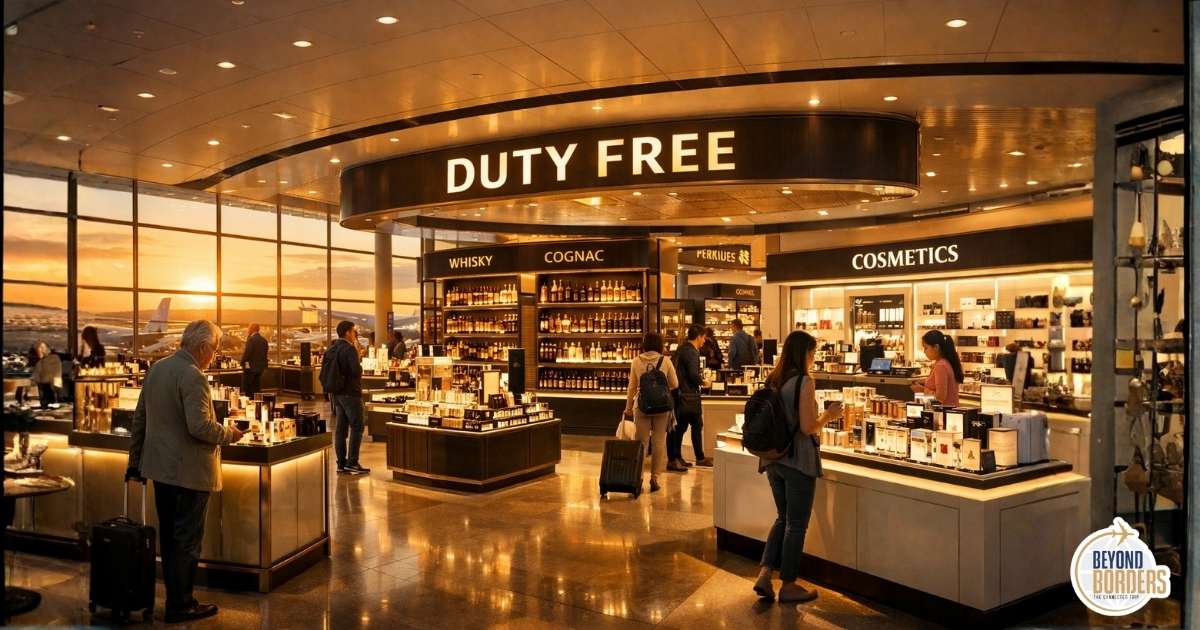
Duty free retail has long carried a simple and powerful promise: tax-free means cheaper and cheaper means irresistible. For decades, travellers arriving at airports were drawn by the prospect of luxury goods, premium spirits and fine fragrances at a fraction of their city retail price. Duty free retail was, in its truest sense, the original traveller hack.
Table of Contents
- 1. Understanding the Modern Traveller in Duty Free Retail
- 2. The Challenges Facing Duty Free Retail Today
- Price Transparency Erodes the Traditional Duty Free Retail Advantage
- Product Saturation Weakens Duty Free Retail Differentiation
- Shifts in Travel Behaviour Compress Duty Free Retail Opportunity
- Over-Reliance on Price-Led Promotions Has Weakened Duty Free Retail Appeal
- 3. Transforming Duty Free Retail: From Price to Perception
- Make Exclusivity Tangible in Duty Free Retail
- Deliver Experiential Retail Across Duty Free Retail Touch points
- Simplify and Personalise the Duty Free Retail Journey
- Leverage Storytelling and Emotional Value in Duty Free Retail
- 4. A New Value Proposition for Duty Free Retail
- 5. Frequently Asked Questions About Duty Free Retail Strategy
- Is duty free retail still cheaper than regular retail in 2026?
- Why is perception becoming more important than price in duty free retail?
- How do Millennial and Gen Z travellers behave differently in duty free retail?
- What does experiential retail mean for duty free retail operators?
- How can duty free retail operators personalise the shopper journey?
- Why are limited editions strategically important in duty free retail?
- What role does storytelling play in the future of duty free retail?
- How should duty free retail operators approach high net worth travellers differently?
- 6. Conclusion: The Future of Duty Free Retail Is Perception Led
- Key References
But in 2026, that narrative is shifting. Mobile apps, online marketplaces and price comparison platforms have fundamentally changed how the globally connected traveller shops. The moment of surprise — discovering a deal — has been significantly diminished. Today, duty free retail faces a critical and unavoidable reckoning: is it still a price advantage or has it become a perception advantage?
More importantly, how can travel retail operators transform that perception into tangible and lasting value for the modern traveller? The answer lies not in discounting deeper but in re imagining what duty free retail is for.
1. Understanding the Modern Traveller in Duty Free Retail
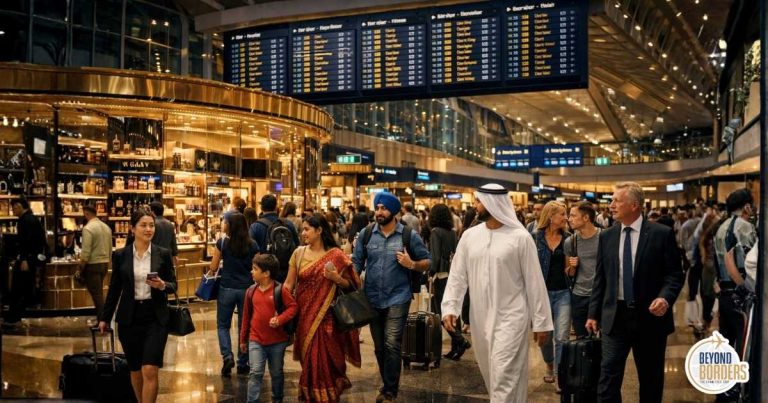
Duty free retail cannot serve a single traveller any more than a single product can serve every market. The modern airport shopper is not a monolith. Understanding what different traveller segments want is the foundational step toward redefining duty free retail strategy. The article identifies three core segments and what drives their behaviour.
| Traveller Segment | Motivations and Behaviour | What Duty Free Retail Must Deliver |
|---|---|---|
| Millennials and Gen Z | Digitally savvy, highly price-aware, socially influenced. Research products before reaching the airport and compare prices in real time. Value unique experiences and the story behind the product. | Exclusive limited editions, Instagram-worthy collections, brand storytelling and experience- led retail moments. |
| High Net Worth and Frequent Flyers | Price is secondary. Exclusivity, convenience and prestige matter most. Seek products unavailable elsewhere. | Curated collections, personalised experiences, limited edition launches and premium service touch points. |
| Occasional International Travellers | Motivated by value but easily overwhelmed by multiple offers. Respond best to clarity and bundled options. | Ready-to-gift bundles, clear signage, streamlined promotions and convenience-led presentation. |
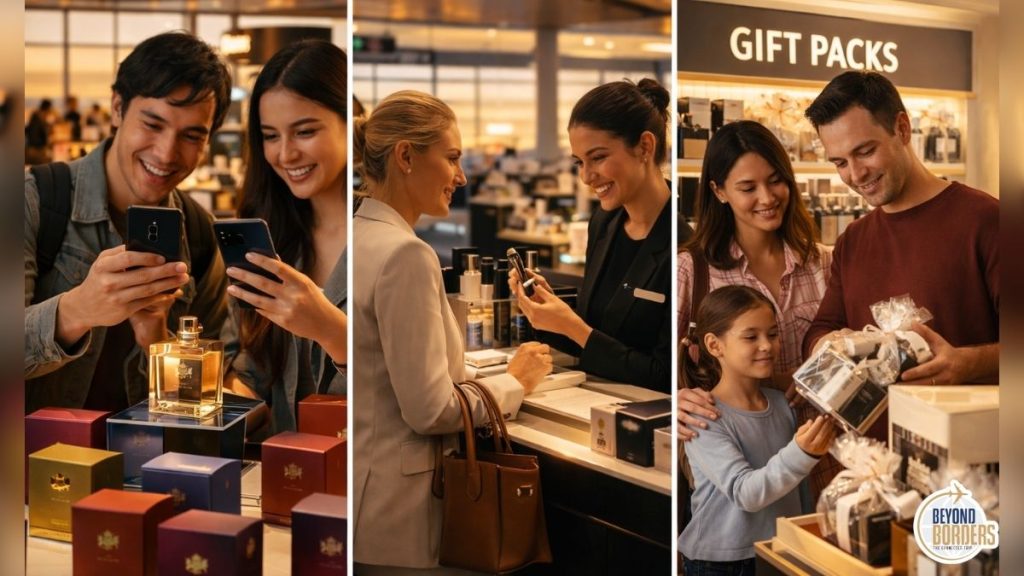
| The Duty Free Retail Segment Reality Each segment demands a distinct strategy in duty free retail. Most airports still treat duty free as a single price-led category. That approach is increasingly ineffective across all three traveller types. For Millennials and Gen Z, an Instagram-worthy item or exclusive gift pack can outweigh any tax saving. | ||
Related: Duty Free Retail Data and AI Personalisation: Who Owns the Passenger Relationship?
2. The Challenges Facing Duty Free Retail Today
The structural pressures on duty free retail are real and compounding. Understanding them precisely is as important as designing the strategic response. The article identifies four specific challenges that are eroding traditional duty free retail advantage.
Price Transparency Erodes the Traditional Duty Free Retail Advantage
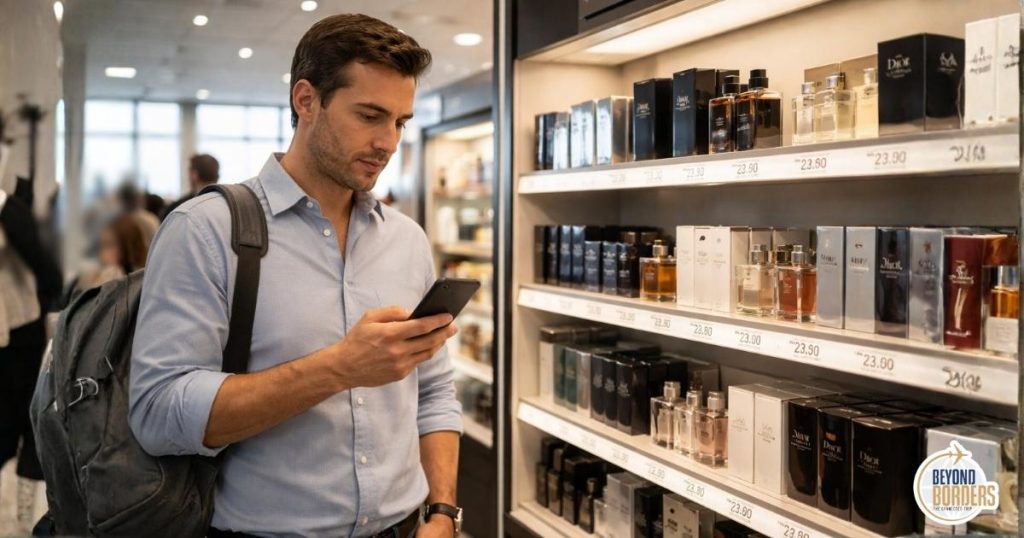
Mobile technology has shifted purchasing power decisively toward the consumer. Travellers can now verify prices in seconds before stepping into any airport store. If the same product is available online or in a city boutique at a comparable price, the motivation to buy at the airport diminishes significantly. The tax-free proposition alone is no longer sufficient to guarantee conversion.
Product Saturation Weakens Duty Free Retail Differentiation
Many duty free retail stores stock the same global SKUs available in city stores and online marketplaces. With limited differentiation, the perception of specialness disappears. Travellers have no compelling reason to buy at the airport rather than at home, online or at their destination. The absence of exclusivity is, in itself, a strategic failure.
Shifts in Travel Behaviour Compress Duty Free Retail Opportunity
- Shorter layovers and tighter boarding schedules reduce browsing time significantly.
- Increased carry-on restrictions and security procedures limit impulse purchases.
- Busy travellers now prioritise convenience over exploration, making experiential retail harder to deliver within existing terminal formats.
Over-Reliance on Price-Led Promotions Has Weakened Duty Free Retail Appeal
Traditional discount mechanics such as three for two bundles or flat percentage reductions no longer guarantee traction. These tactics appeal primarily to occasional travellers but consistently fail to engage frequent flyers or aspirational shoppers. When the sole offer is a discount, duty free retail positions itself as a commodity channel rather than a premium destination.
3. Transforming Duty Free Retail: From Price to Perception
The path forward for duty free retail lies in creating value beyond price. The article maps four strategic transformation levers that shift the duty free proposition from transactional to aspirational. These are not theoretical ideals — they are actionable frameworks grounded in traveller behaviour.
Make Exclusivity Tangible in Duty Free Retail
The most powerful lever in duty free retail is the creation of genuine exclusivity. This means launching airport-specific or city-specific limited editions, creating exclusive SKUs and packaging unavailable anywhere else and introducing curated collections and premium bundles that simplify decision-making while elevating perceived value. When a product can only be purchased at an airport, the airport becomes a destination rather than a transit point.
Deliver Experiential Retail Across Duty Free Retail Touch points
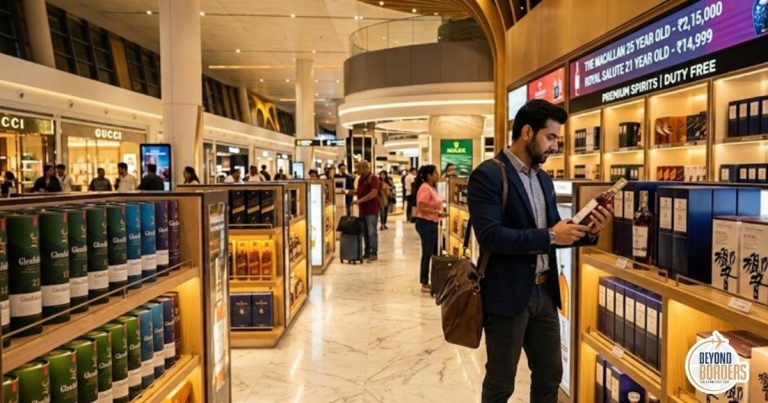
Duty free retail stores must evolve from product warehouses into immersive spaces. Tasting bars, interactive displays and storytelling corners transform the shopping experience from transactional to memorable. For Millennials and Gen Z, experiences are currency — they are more likely to purchase products they can discover and share on social media. Personal interactions such as brand ambassadors or live demonstrations make this shift tangible at the store level.
Simplify and Personalise the Duty Free Retail Journey
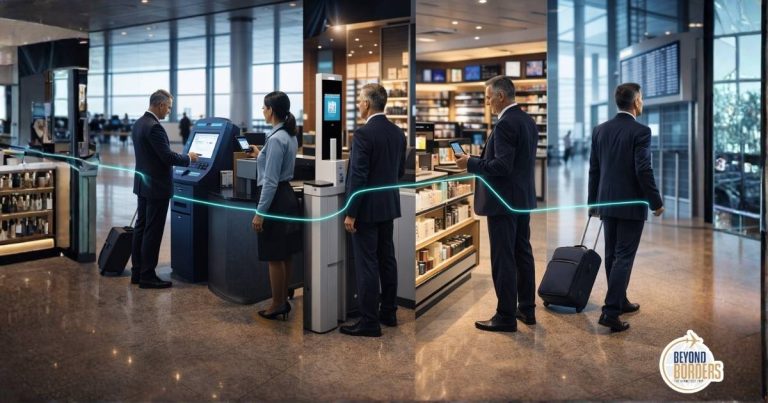
Digital integration opens significant opportunities for duty free retail operators to offer personalised recommendations and timely alerts about new exclusives. Offerings can be tailored to passenger demographics and flight duration — quick pick packs for short layovers and premium experiences for long-haul travellers. Streamlining promotions to reduce decision fatigue, focusing on curated options rather than overwhelming SKU volumes, directly improves conversion and shopper satisfaction.
Leverage Storytelling and Emotional Value in Duty Free Retail
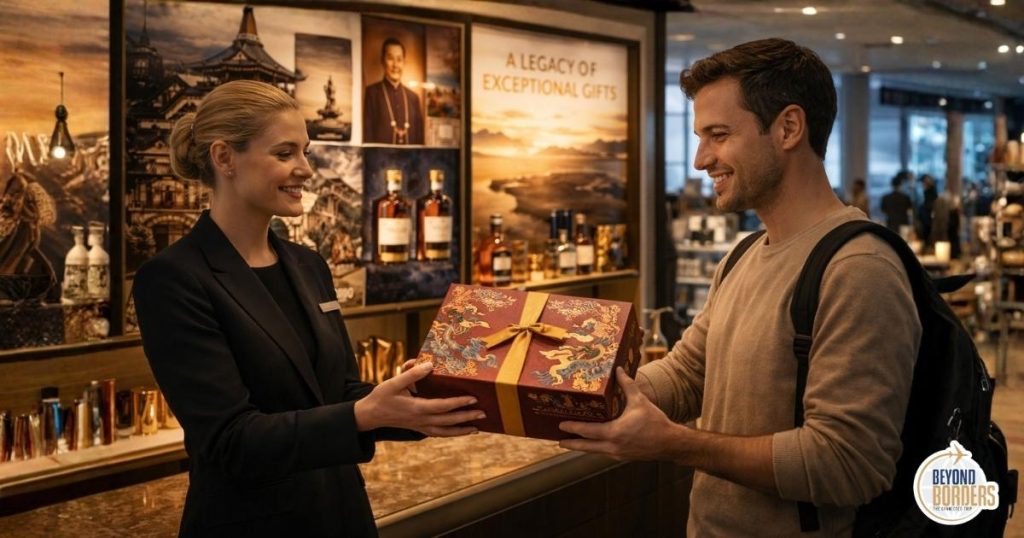
The deepest transformation in duty free retail is the shift from selling products to selling stories. Positioning products as cultural statements or heritage expressions rather than commodities creates a connection that price alone cannot manufacture. Limited editions inspired by local craft or regional themes give travellers a narrative to carry home with their purchase. In a world where travellers can buy almost anything online, the story behind the product becomes its primary differentiator.
| Transformation Lever | Traditional Duty Free Retail Approach | Perception-Led Duty Free Retail Approach |
|---|---|---|
| Exclusivity | Global SKUs available everywhere | Airport-specific limited editions and exclusive SKUs |
| Experience | Product display and price promotion | Tasting bars, interactive demos and storytelling spaces |
| Personalisation | Generic mass promotions | Digital recommendations tailored by passenger profile |
| Storytelling | Brand logos and price tags | Heritage narratives, regional craft and cultural meaning |

Related: Travel Retail Strategy: The Five Forces Shaping the Next Decade
4. A New Value Proposition for Duty Free Retail
The lesson from the modern traveller is clear: duty free retail is no longer just about cost savings. Its relevance now lies in creating desire, exclusivity and experience. Retailers who continue to compete purely on price risk commoditising a channel that was once genuinely aspirational.
Price will always matter but it is no longer the decisive factor. The aspirational traveller is searching for products and experiences that cannot be replicated online or anywhere else. In this new landscape, perception is not a supplement to value — it is the value.
Duty free retail, done well, can still captivate, excite and convert — but only by shifting from price-led to perception-led strategy. Limited editions, exclusive launches, curated experiences and storytelling are the levers that will define travel retail’s next decade. Travellers are no longer hunting for a discount; they are hunting for a story, a moment and a connection that makes their journey unforgettable. Duty free retail must evolve to deliver that or risk fading into irrelevance.
Related: Data Strategy and Personalisation in the Modern Travel Retail Channel
5. Frequently Asked Questions About Duty Free Retail Strategy
Is duty free retail still cheaper than regular retail in 2026?
Duty free retail does offer genuine tax savings on certain product categories in certain markets. However, the growth of online retail platforms and real-time price comparison tools means that travellers can now verify whether the airport price is genuinely better before purchasing. In many cases the price advantage has narrowed. This is precisely why duty free retail operators are shifting their strategy toward exclusivity, experience and curation rather than relying on price difference alone. The tax saving is still a factor but it is no longer the primary reason to buy.
Why is perception becoming more important than price in duty free retail?
Because the modern traveller has access to global pricing in the palm of their hand. The element of price surprise — once central to duty free retail conversion — has been significantly reduced by smartphone- enabled comparison. What cannot be replicated online or in a city store is an exclusive product, a curated experience or a limited edition that can only be purchased at that airport. Perception of exclusivity and specialness is therefore the differentiator that price alone can no longer deliver.
How do Millennial and Gen Z travellers behave differently in duty free retail?
Millennial and Gen Z travellers are digitally native, highly price-aware and socially influenced. They typically research products online before reaching the airport and they compare prices in real time while in-store. For this segment, the story behind the product, the shareability of the experience and the exclusivity of the item matter more than a marginal price advantage. An Instagram-worthy limited edition or an immersive tasting experience delivers more conversion power than a discount banner.
What does experiential retail mean for duty free retail operators?
Experiential retail in duty free means converting passive product display into active discovery. It includes tasting bars where travellers can sample premium spirits, interactive displays where they can explore brand heritage, storytelling corners where product origins and craft are communicated visually and personal interactions with brand ambassadors who guide the shopping journey. For frequent flyers and high net worth travellers in particular, this elevation of the retail experience creates a reason to engage with duty free retail that price alone cannot manufacture.
How can duty free retail operators personalise the shopper journey?
Digital integration enables duty free retail operators to offer personalised recommendations based on passenger profile, flight duration and purchase history. Shorter layover passengers can receive quick pick alerts tailored to their time constraints. Long-haul travellers can be invited to more immersive brand experiences. The key is using available data — including passenger demographics and flight routing — to serve the right offer to the right traveller at the right moment rather than broadcasting a single generic promotion to everyone.
Why are limited editions strategically important in duty free retail?
Limited editions are the most direct expression of the perception advantage in duty free retail. A product that is only available at one airport, or only during a specific travel period, cannot be purchased online or in a city store. That unavailability is itself a form of value. It creates urgency and desire, it gives the traveller a story to share and it positions the duty free retail channel as a discovery destination rather than a convenience purchase point.
What role does storytelling play in the future of duty free retail?
Storytelling is the mechanism through which duty free retail elevates products from commodities to cultural experiences. A perfume is a liquid in a bottle. A perfume with a narrative about the French artisan who created its signature accord, produced in a limited regional edition available only at this airport, is a souvenir, a gift and a memory. The story transforms the transaction into an experience. And in a travel retail environment where price parity is increasingly common, the experience is the differentiator.
How should duty free retail operators approach high net worth travellers differently?
High net worth and frequent flyer travellers are the segment for whom price is least relevant. They respond to exclusivity, curation and personalised service. Duty free retail strategies targeting this segment should focus on airport-exclusive luxury editions that cannot be purchased elsewhere, curated selections assembled by category experts, concierge-level personal shopping experiences and access to brand events or previews within the airport. These travellers want to feel that the airport has something for them that the outside world does not.
6. Conclusion: The Future of Duty Free Retail Is Perception Led
Duty free retail strategy can no longer afford to be price-centric. The past decade was defined by the assumption that tax-free equals value. The next decade will be defined by desire, curation and experience.
Operators who understand this shift and act on it — through tangible exclusivity, immersive experience, intelligent personalisation and compelling storytelling — will not only protect conversion rates but will expand them sustainably. The tools exist. The traveller demand is real. What has often been missing is the strategic will to move beyond the discount.
In duty free retail, the future belongs to those who understand that the modern traveller is not hunting for a cheaper product. They are hunting for a story, a moment and a connection that makes their journey unforgettable. Perception is not a supplement to value in duty free retail. Perception is the value.

Key References
- ETRC: EU Economic Impact of Duty Free and Travel Retail Report 2025
- ACI Asia Pacific and Middle East: Airport Travel Retail Retail Study
- Airports Council International: Commercial Revenue and Passenger Behaviour Report
Disclaimer: The analysis, opinions and projections expressed in this article are based on publicly available information and research. They are not intended as professional, legal or policy advice.